The International Cesarean Awareness Network is a non-profit organization whose mission is to improve maternal-child health by reducing preventable cesareans through education, supporting cesarean recovery, and advocating for vaginal birth after cesarean (VBAC).
Get Involved

Become a Member
Whether you are a professional who believes in our missional work, or an individual who has been impacted by our peer support or resources, we have different options to fit your needs.
Start a Chapter
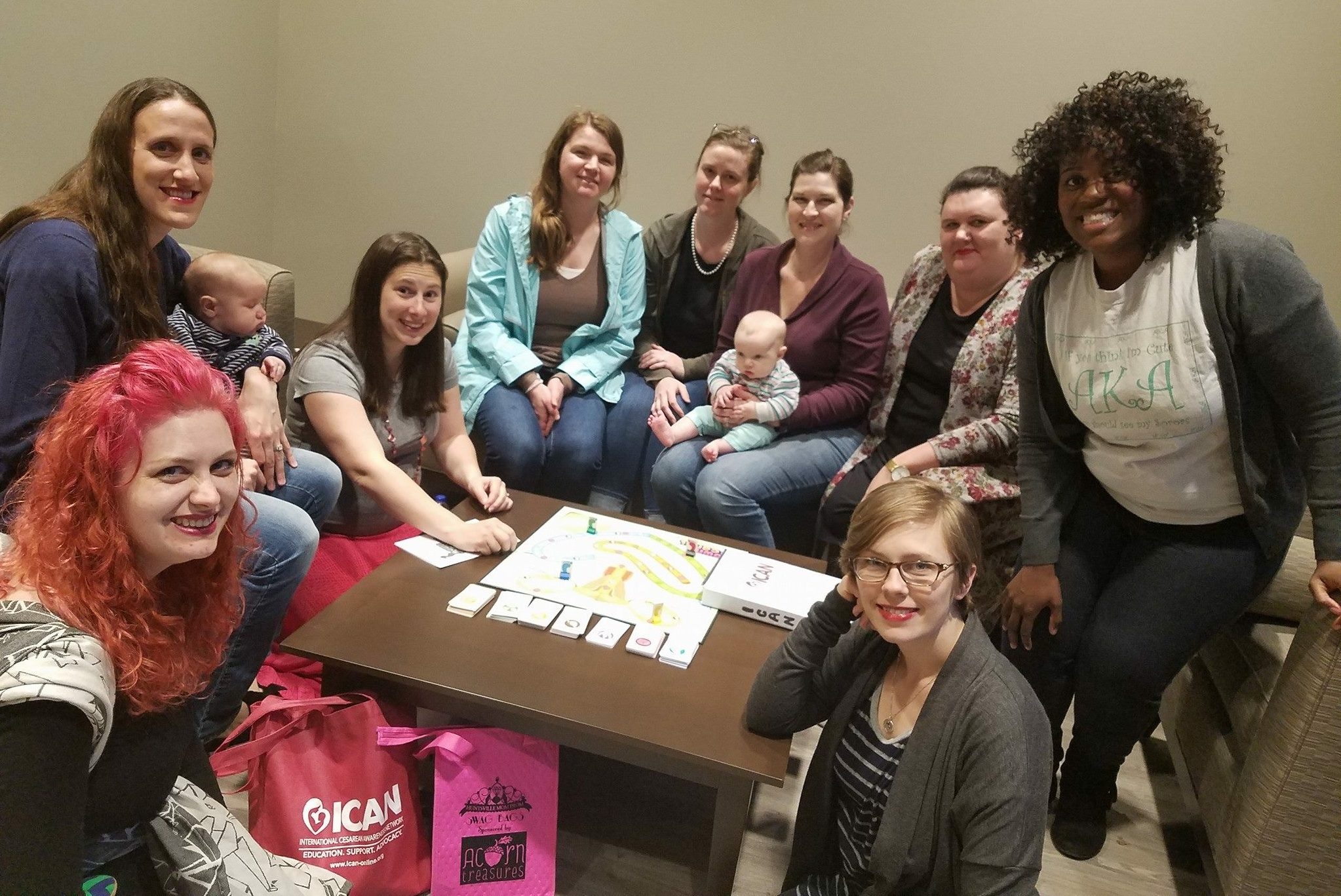
ICAN Chapters in local communities are the heart of our organization. If you don’t have one near you, consider starting one! Or join existing volunteer leadership as many hands make light work.

Volunteer
ICAN needs volunteers to do the far reaching work at hand. We hope to grow committees focusing on education, advocacy, support, DEI, graphic design, web design, and more!
Support your chapter!
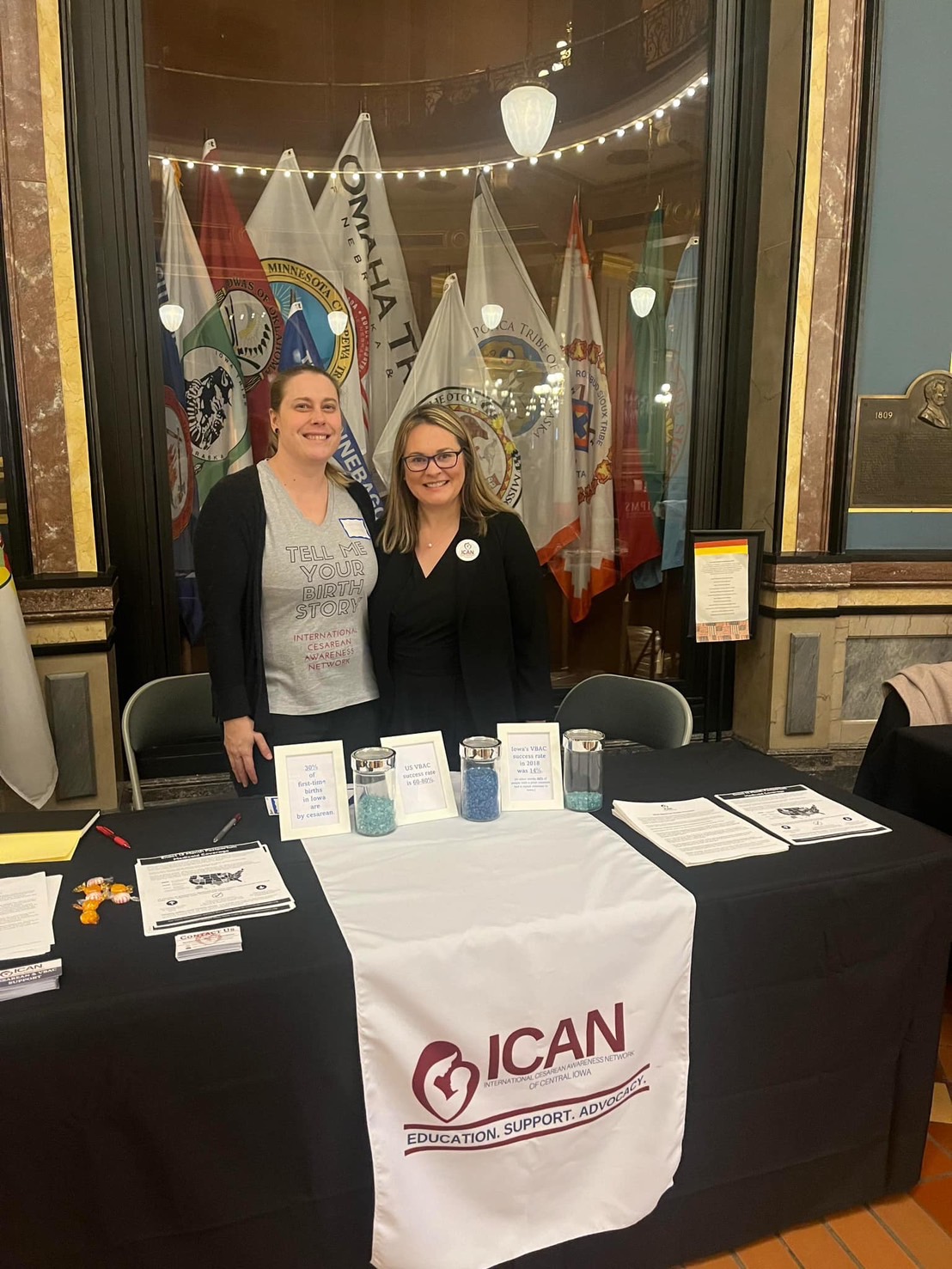
Local chapters are the beating heart of our organization. They know the birth culture, providers, and even laws and regulations that can affect birthers. Participate in peer to peer conversations, attend meetings, and spread the word (boost their social media and word of mouth)! If you join as an ICAN Member don’t forget to mark which chapter you’d like a portion of the member fee to go to!